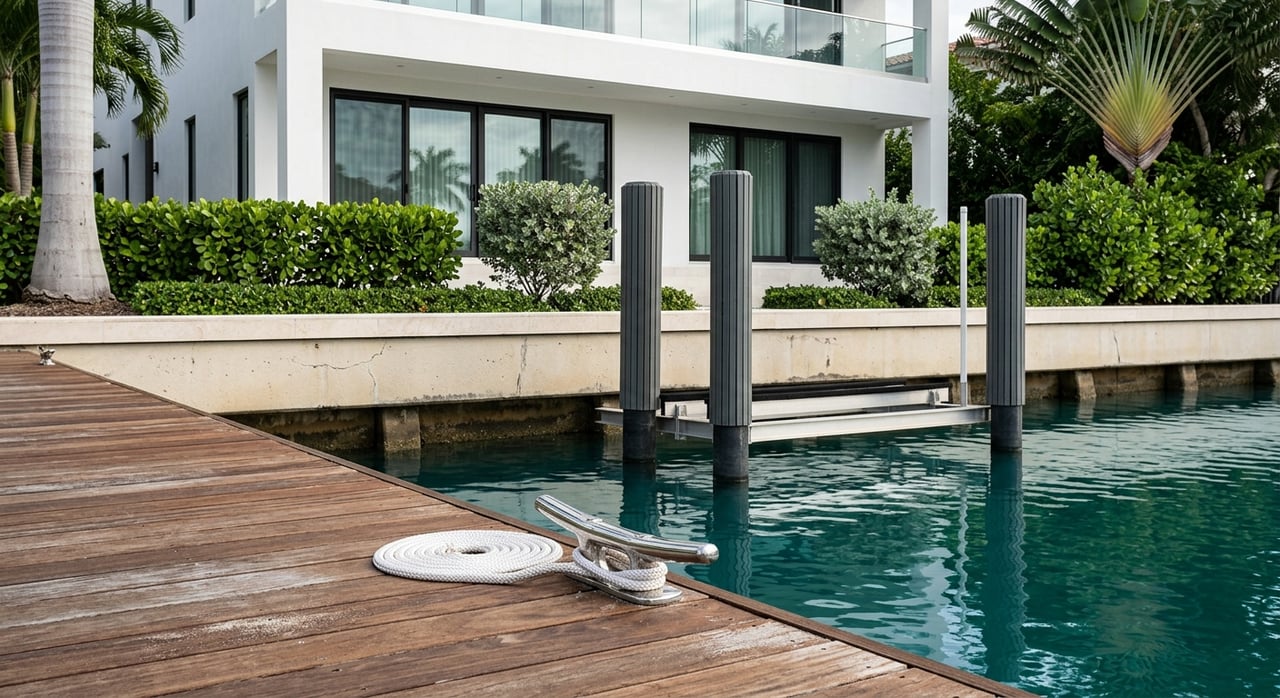
If you picture your next home with a dock out back and easy days on the water, Lighthouse Point probably already has your attention. It is one of Broward County’s most water-oriented residential communities, but buying the right home here takes more than spotting a canal-front address. You need to know how the boat fits the property, the route, and the long-term costs. This guide will help you evaluate boater-friendly homes in Lighthouse Point with more confidence. Let’s dive in.
Why Lighthouse Point Appeals to Boaters
Lighthouse Point is uniquely built around the water. According to the City of Lighthouse Point, many single-family homes front the city’s 18 miles of waterways, and the Intracoastal Waterway runs the length of the city. Hillsboro Inlet also sits next to the city’s southeast side, which helps explain why boat buyers keep this market on their shortlist.
The city also notes that Lighthouse Point is almost fully developed. For you, that usually means shopping resale inventory rather than expecting much new construction supply. In a market like this, the details of each lot, dock, canal, and route matter far more than broad marketing language.
What Boater-Friendly Really Means
A home can sit on the water and still be the wrong fit for your boat. In Lighthouse Point, the better question is not whether a property is waterfront, but whether it works for your vessel and your boating habits.
Canal Width Matters by Property
There is no single canal width standard that applies to every home in Lighthouse Point. Broward County’s dock and seawall permit application requires property-specific details like water body width, over-water structure dimensions, and a current survey. That is a strong reminder that maneuverability is a lot-specific issue.
If you plan to keep a larger boat at home, ask how easily you can turn, back in, and leave the dock. A canal may look generous in listing photos but still feel tight in practice. This is especially important if you expect frequent outings or have a beamier vessel.
Bridge Clearance Can Change Everything
Open-water access is one of the biggest filters for buyers. According to NOAA’s Coast Pilot bridge information, nearby Intracoastal Waterway bridges at NE 14th Street and Atlantic Boulevard have 15-foot closed clearances. The city is also replacing several canal bridges, including Sample Road and NE 31st Court, which is another reason to verify the route carefully.
That means the dock alone is not enough. You should map the full trip from the home to the inlet and confirm that your boat’s height clears every bridge on the route. A beautiful waterfront property can be a poor match if your vessel cannot comfortably get out to open water.
Depth and Inlet Conditions Need Review
Hillsboro Inlet is a major advantage for local boaters, but it comes with conditions you should not ignore. NOAA notes in its Hillsboro Inlet navigation guidance that the area can experience shoaling, shifting sandbars, and strong currents.
In other words, proximity to the inlet is helpful, but it is not the same as guaranteed ease of navigation. You will want to confirm depth at the dock, through the canal, and along the route based on current conditions, tide, and your boat’s draft.
Evaluate the Shoreline Improvements
For many buyers, the biggest hidden risk is not inside the house. It is outside, along the seawall, dock, and lift.
Dock and Seawall Permits
Broward County states that docks, seawalls, floating vessel platforms, and other in-water structures require an Environmental Resource License. Its application materials ask for detailed plans, cross-sections, water-level references, and ownership records. That tells you these improvements are regulated and should have a paper trail.
Before you close, ask whether the dock, lift, and seawall were permitted and finaled. If the seller cannot provide clear records, that should prompt deeper review. Missing permit history can affect both your budget and your timeline after purchase.
Seawall Condition Is a Major Cost Item
Seawall age and condition deserve close attention in Lighthouse Point. The city’s adopted planning documents include canal dredging and seawall repair projects, which shows these are active local infrastructure issues, not abstract concerns. You can review that context in the city’s adopted sections document.
If a seawall has been repaired or replaced, Broward’s riprap requirements guide indicates that new tidal-water seawalls generally require riprap or habitat enhancement. This is the kind of detail that can affect compliance and future costs, so it is worth confirming during due diligence.
Understand Pricing in Lighthouse Point
Lighthouse Point is not an entry-level boating market. The broader housing market remains expensive, and true ocean-access homes often sit in a very different price band than general waterfront inventory.
According to Redfin’s Lighthouse Point housing market data, the March 2026 median sale price was $930,000. Redfin also reports waterfront homes for sale with a median listing price of $1.01 million, while Zillow’s waterfront search shows current examples ranging from about $2.24 million to nearly $15 million.
That wide range reflects the differences between simple waterfront exposure and stronger boating utility. In practical terms, homes with private dockage, better canal positioning, premium water frontage, or larger estate configurations usually command a different level of pricing than homes that are merely near the water.
Common Home Types for Boat Buyers
Most buyers in Lighthouse Point will encounter a few recurring property types. Knowing the differences can help you narrow your search faster.
Inland Single-Family Homes
These homes do not offer private dockage, but they may appeal if you want the Lighthouse Point lifestyle without paying a waterfront premium. They can also make sense if you plan to keep your boat elsewhere and prioritize the house itself.
Canal-Front Homes With Private Docks
This is the classic boater-friendly option. These homes usually offer the most direct match for buyers who want to keep their boat at home, though the real value depends on canal width, dock layout, depth, and route clearance.
Larger Estate Homes on Premium Water
Higher-end properties often provide more substantial dockage, broader water views, or stronger lot positioning. If your boating needs are more complex, this segment may offer more flexibility, but it also raises the importance of careful permit, seawall, and route review.
Intracoastal-Facing or Point-Lot Properties
These are a smaller part of the market, but they often draw attention for their exposure and location. They can be especially appealing if maneuverability and water access are major priorities, though pricing often reflects those advantages.
Your Boater-Friendly Due Diligence Checklist
When you tour waterfront homes in Lighthouse Point, bring a sharper lens than the average buyer. A short checklist can save you from expensive surprises later.
Ask About Water Depth
Start with the basics:
- What is the current depth at the dock?
- What is the depth at the canal centerline?
- What is the depth at mean low water?
Those questions matter because your boat has to work in real conditions, not just at high tide or in a sales conversation.
Verify the Route to Open Water
Ask for the exact path from the home to Hillsboro Inlet. Then confirm bridge clearances using NOAA’s Intracoastal bridge data and compare them to your boat’s height.
Review Dredging and Nearby Projects
Ask whether the canal has been dredged recently and whether any nearby dredging or seawall work is planned. The city’s planning documents show both canal dredging and seawall repairs as real considerations in Lighthouse Point.
Confirm Permit History
Ask the seller for permit files covering the dock, lift, seawall, and any shoreline work. The city’s Building and Zoning page notes that residents can view permit applications, status, and inspection results.
Check Flood Information Early
Lighthouse Point is identified by the city as flood-prone, so flood review should happen early in your process. The city’s flood information page directs owners to FEMA flood-map resources and notes that elevation certificates are available upon request.
Ask what flood zone applies, whether an elevation certificate exists, and what current flood insurance may cost. Those numbers can affect your monthly ownership picture more than buyers expect.
Understand Slip Rules if Applicable
Most single-family buyers will not need to worry about multi-slip regulation, but it is worth knowing the threshold. Broward County explains that marine facilities with five or more slips require a Marine Facility Operating License, while waterfront single-family residences and facilities with fewer than five slips are not treated the same way under that program.
Think Like Both a Boater and a Buyer
A Lighthouse Point waterfront purchase is both a lifestyle decision and a financial one. The right home should fit your vessel, your budget, and your tolerance for future maintenance. That means looking beyond staging and views to evaluate shoreline infrastructure, navigation realities, and ownership costs.
This is also where local market knowledge matters. In a built-out community with limited new supply, every waterfront property has its own strengths and tradeoffs. The goal is not just to buy on the water, but to buy the right kind of water access for how you actually live.
If you are considering a boater-friendly home in Lighthouse Point, working with an advisor who can help you weigh route access, property configuration, pricing, and due diligence can make the search much more strategic. When you are ready to explore your options, connect with Karen Baker P.A. for thoughtful, high-touch guidance tailored to your goals.
FAQs
What makes a home boater-friendly in Lighthouse Point?
- A truly boater-friendly home is one that matches your boat to the canal width, dock layout, water depth, bridge-clearance route, and permitted shoreline improvements, not just a home with a water view.
How important is bridge clearance for Lighthouse Point boat homes?
- Bridge clearance is critical because nearby Intracoastal bridges include 15-foot closed clearances, so your boat must fit the full route from the property to open water.
What should you check about a dock or seawall in Lighthouse Point?
- You should review the condition, age, permit history, and final approvals for the dock, lift, and seawall, and confirm whether any required shoreline enhancements were installed.
Are waterfront homes in Lighthouse Point expensive?
- Yes. Research in the current market shows broad housing and waterfront pricing at premium levels, with waterfront listings ranging from roughly the low $2 millions to nearly $15 million.
Should you review flood information before buying in Lighthouse Point?
- Yes. Because the city identifies Lighthouse Point as flood-prone, you should confirm the FEMA flood zone, ask for an elevation certificate if available, and review current flood-insurance costs early in the process.
