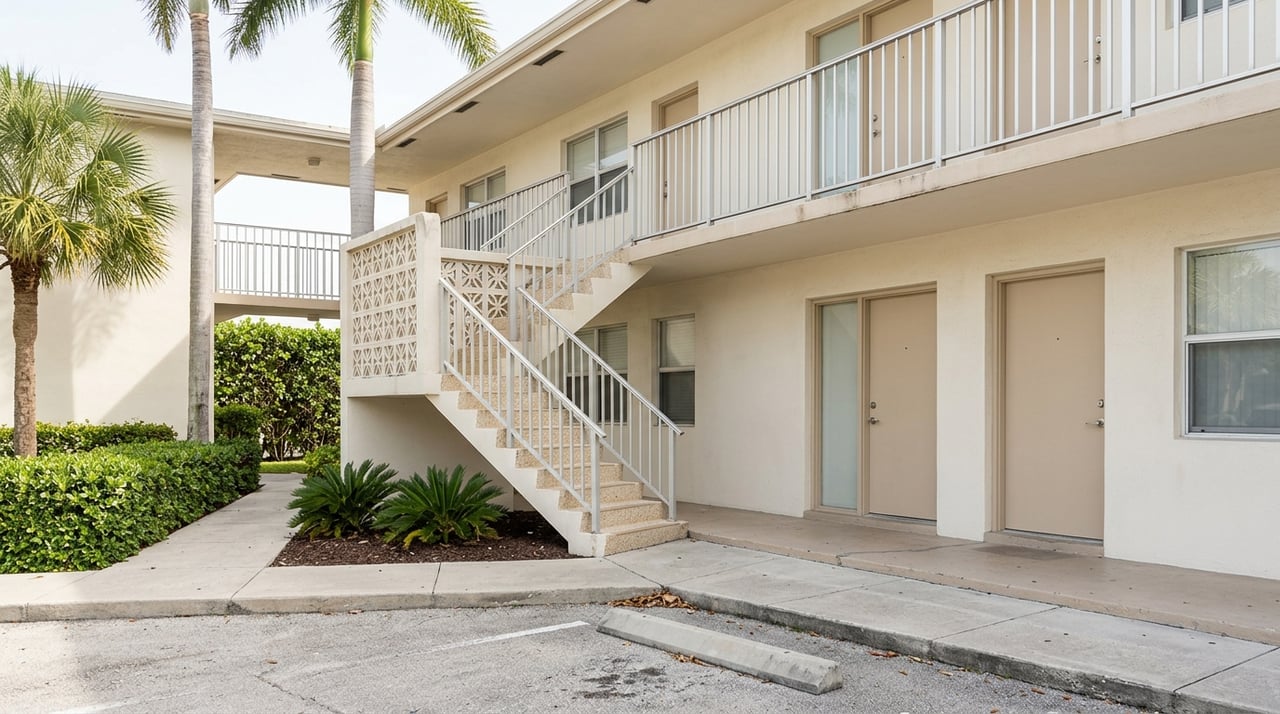
If you are building a small real estate portfolio in South Florida, Pompano Beach deserves a closer look. It is not a market where you can buy blindly and hope momentum does the work for you, but it does offer a mix of renter demand, redevelopment activity, and neighborhood-by-neighborhood pricing that can create real opportunity. If you want a smarter way to evaluate where small multifamily, condos, townhomes, or infill-style rentals may fit, this guide will help you cut through the noise. Let’s dive in.
Why Pompano Beach Stands Out
Pompano Beach sits in a part of Broward County that continues to draw attention from both residents and investors. According to the U.S. Census QuickFacts for Pompano Beach, the city had 118,104 residents in 2024, an owner-occupied housing rate of 55.5%, a median gross rent of $1,724, and a median owner-occupied home value of $361,400.
For a small portfolio investor, those numbers matter. Compared with broader Broward County, Pompano Beach appears somewhat more renter-relevant and somewhat more accessible on entry price, which can support demand for smaller rental products. The city also had 19.1% of residents move in the prior year, which points to meaningful turnover and leasing activity.
That said, this is not a fast-flip market. Redfin market data shows a median sale price of $410,000 in February 2026, with homes taking about 126 days to sell and receiving about one offer on average.
What the Current Market Means
For investors, a slower resale pace can be a positive if you are disciplined. It may create more room for negotiation and reduce the pressure to waive careful due diligence. It also means your strategy should be based on income, location quality, and long-term positioning rather than a quick resale assumption.
At the metro level, HUD describes the Fort Lauderdale-Pompano Beach-Deerfield Beach market as balanced. As of February 1, 2024, the metro apartment vacancy rate was 5.4%, while the Pompano Beach-Deerfield Beach apartment market area posted a 3.9% vacancy rate, average rent of $2,008, and roughly 2% year-over-year rent growth.
That combination suggests real rental demand, but not unlimited pricing power. New supply is a factor, and your underwriting should assume competition from newer product, especially in more polished apartment segments.
Best Areas to Watch
Pompano Beach is not one uniform investment market. The city’s official neighborhood map includes areas such as Downtown, Old Pompano, Palm Aire, Cypress Bend, Leisureville, Northwest Pompano, Liberty Park, and South Dixie, along with beach-adjacent sections.
Based on the public redevelopment plans and rent data, three broad areas stand out for small investors: the east/coastal corridor, the Old Town and Downtown core, and selected inland value areas. Each tends to support a different risk profile, different tenant appeal, and different property type mix.
East and Coastal Corridor
The East CRA Plan shows a compact but highly visible redevelopment area that includes both the barrier island and mainland segments along Atlantic Boulevard. The plan describes the beach and barrier-island section as having a heavy concentration of mid- and high-rise condominiums, while the mainland side includes commercial frontage, older buildings, and some aging single-family stock.
For small investors, this often points to different plays on each side. The east side near the water may align more with condos, mixed-use, or higher-service assets, while mainland blocks along the corridor may offer more room for repositioning smaller rental buildings or commercial-adjacent residential holdings.
Old Town and Downtown Core
The Old Town and Downtown Entertainment District is one of the city’s clearest long-term redevelopment stories. The city reports that Old Town Square, described as the first new mixed-use residential project in the district, was completed in May 2024 with 282 units and ground-floor commercial space.
The district has also seen public investment in streetscape work, façade improvements, and renovation activity. For a small investor, that matters because public investment can improve visibility, walkability, and tenant perception over time, all of which can influence leasing and resale.
Northwest and Value-Oriented Areas
The Northwest District is much larger and more varied. The 2024 CRA annual report notes that the district covers about 3,084 acres and has a tax base that is split across residential, commercial, and industrial uses.
That mix is important. It means the northwest side is not one simple investment story. Some locations may appeal because of redevelopment momentum and land assembly activity, while others may be more income-driven and value-oriented. The same report also notes projects such as Sonata mixed-use, Solstice Townhomes, Hunters Manor, and Collier City rental townhomes, along with Qualified Opportunity Zones in northwest Pompano Beach.
Rent Levels by Area
Rent differences across Pompano Beach can be meaningful, and that is where careful underwriting becomes important. According to RentCafe’s neighborhood rent data, average rents vary significantly across the city:
- Old Pompano: $2,492
- South Dixie: $2,286
- Highlands: $2,209
- Palm Aire: $1,999
- Old Collier: $1,883
- Blanche Ely: $1,704
Those numbers suggest a clear premium for some coastal or amenity-rich areas, while more value-oriented inland neighborhoods may trade at lower rent levels. For a small investor, this matters because the right purchase is not just about finding a low price. It is about understanding whether the rent ceiling in that micro-market supports your renovation plan, financing, and exit strategy.
How to Compare Rent Data Correctly
One common mistake is treating every rent number as interchangeable. The Census QuickFacts page reports a median gross rent of $1,724 for Pompano Beach, while RentCafe reports an average apartment rent of $2,251 as of March 23, 2026.
Both figures are useful, but they measure different things. Census data is a survey-based gross rent figure, while RentCafe reflects apartment-market asking rent. If you are underwriting a small multifamily or condo rental, it is smart to use the methodology that best matches your property type and then confirm the result with true comparable inventory.
Redevelopment Is a Real Variable
Pompano Beach has one of the more active public redevelopment backdrops in the area. The city’s CRA development opportunities page explains that incentive programs are designed to help offset renovation or new-development costs for commercial businesses in the East and Northwest CRA districts, with priority areas including East Atlantic Boulevard, US 1, A1A, MLK/Hammondville, Old Town Commercial, and South Dixie Highway.
While not every small investor will directly use these programs, the broader takeaway is important. Public attention, infrastructure upgrades, and targeted redevelopment can change the trajectory of a corridor over time, which can affect tenant demand, pricing, and resale liquidity.
The east side is a good example. The city highlights the Pompano Beach Fishing Village as a transformed beachfront destination with dining, a hotel, shops, and structured parking. The same east-side redevelopment story includes Mayla Pompano, which the city says is a $102 million, 355-unit residential community with workforce housing included.
A Simple Small-Portfolio Framework
If you are buying one to four rentals or adding a few units at a time, a practical framework can keep you grounded. Start by comparing achievable rent to your all-in basis, then pressure-test how much location premium and redevelopment momentum you are really paying for.
The research provides a useful illustration. At RentCafe’s citywide average apartment rent of $2,251, a four-unit property would generate about $108,048 in gross annual rent. If operating expenses consumed 45% of revenue, net operating income would be about $59,426, which implies a value of about $849,000 at a 7.0% cap rate or about $990,000 at a 6.0% cap rate. These are illustrative scenarios, not market valuations.
That kind of exercise helps you stay disciplined. If your all-in cost is well above what local income supports, the deal may depend too much on future appreciation or optimistic rent growth.
Renovation Should Follow Rent Delta
Small investors often win by improving older product, but not every renovation creates enough value. The more useful question is not just what the rehab costs. It is whether the finished rent aligns with nearby comparables.
Using the neighborhood rent spread from RentCafe, moving a unit from Blanche Ely’s $1,704 average rent to the city average of $2,251 would increase gross annual rent by about $6,564 per unit. Across four units, that is about $26,256 in added gross annual rent before expenses.
That is the type of spread that can justify thoughtful improvements. But if your renovation budget does not meaningfully narrow the gap between your current rent and realistic comparable rent, you may be overcapitalizing the property.
Risks Small Investors Should Watch
Pompano Beach offers opportunity, but it also requires selectivity. A few risk factors stand out in the public data:
- Supply pressure: HUD reports that 4,550 apartment units were completed in the prior 12 months, 2,700 were absorbed, and about 9,200 units were under construction across the metro area.
- Slower resale pace: Homes are selling, but not especially quickly by current Redfin readings.
- Submarket variation: Rent levels, property types, and redevelopment momentum vary widely by area.
- Asset mismatch: A condo near the coast, a small multifamily inland, and an infill home in the northwest should not be underwritten the same way.
The key is to avoid broad assumptions. Pompano Beach looks strongest as a selective market where location, rent ceiling, and public investment all need to line up.
Bottom Line for Investors
For small portfolio investors, Pompano Beach is less of a buy-anything market and more of a market for disciplined local analysis. The city combines renter demand, visible redevelopment, and a range of property types, from condos and townhomes to small multifamily and infill-style opportunities.
If you want to buy in Pompano Beach with a financial-first approach, you need to evaluate each asset in context. That means comparing neighborhood rents, understanding resale timelines, and measuring how much future upside is already priced into the deal. If you are looking for a trusted local advisor to help you analyze opportunities in Pompano Beach and nearby Broward markets, connect with Karen Baker P.A..
FAQs
What makes Pompano Beach attractive for small portfolio investors?
- Pompano Beach offers a mix of renter demand, redevelopment activity, and varied price points, which can create opportunities for condos, small multifamily properties, townhomes, and infill-style investments.
What do Pompano Beach resale trends mean for investors?
- Current resale data suggests a more balanced market with longer selling times, which may support careful negotiation and longer-term investment strategies rather than quick flips.
Which Pompano Beach areas should small investors watch?
- Public data points to the east/coastal corridor, the Old Town and Downtown core, and selected northwest or inland value areas as places worth evaluating closely.
How should investors use Pompano Beach rent data?
- You should compare rent data by source and property type, since Census median gross rent and apartment asking-rent data measure different things and should not be treated as the same metric.
Are redevelopment projects important in Pompano Beach real estate decisions?
- Yes, redevelopment can influence tenant demand, corridor visibility, and long-term value, especially near CRA-targeted areas such as Atlantic Boulevard, Old Town, and parts of northwest Pompano Beach.
What is the biggest mistake small investors make in Pompano Beach?
- A common mistake is using broad citywide assumptions instead of underwriting the deal by micro-location, realistic rent ceiling, property condition, and likely resale liquidity.